Vintage 35mm SLRs in 2026: What You're Actually Paying For, and What to Buy Instead
The 35mm SLR market has shifted pretty dramatically over the past decade or so. Prices have tracked Instagram demand, not mechanical condition. A CLA'd Canon AE-1 at a reputable shop will run you somewhere between $250 and $350 CAD depending on condition and whether a lens is included. The Pentax K1000, which you used to find at garage sales for $40, now sits around $100 on the more reliable secondhand platforms. That's not a reason to avoid either camera, but it is a reason to know exactly what you're paying for.
This guide is for someone who wants a working camera, not a shelf piece. Prices are based on the Canadian market in 2026. I'll draw a clear line between mechanical and electronic bodies because it matters in practice, and I'll give you real alternatives at each price point. The goal is to spend your time shooting, not hunting for a 4LR44 battery at a hardware store on a Sunday evening.
Mechanical vs. Electronic: A Distinction That Actually Matters
Most buying guides gloss over this, but it often makes the biggest difference in the long run. A fully mechanical body like the Nikon FM2, Olympus OM-1, or Pentax K1000 can operate without a battery at all (except for the light meter, where applicable). The shutter cocks and fires through mechanical tension alone. When something goes wrong, a competent technician can generally fix it.
An electronic body like the Canon AE-1 or Minolta X-700 relies on a control circuit board to run the shutter and set exposure. The meter isn't just feeding a needle in the viewfinder, it's often tied directly into the shutter control chain. When the electronics fail, the repair bill frequently exceeds what the camera is worth. That's not a condemnation of these cameras: millions of AE-1s are still running fine in 2026. But it's something to weigh when you're handing over $300 for a 45-year-old camera.
The Big Names: What They're Worth, and When They're Worth It
Canon AE-1 and AE-1 Program
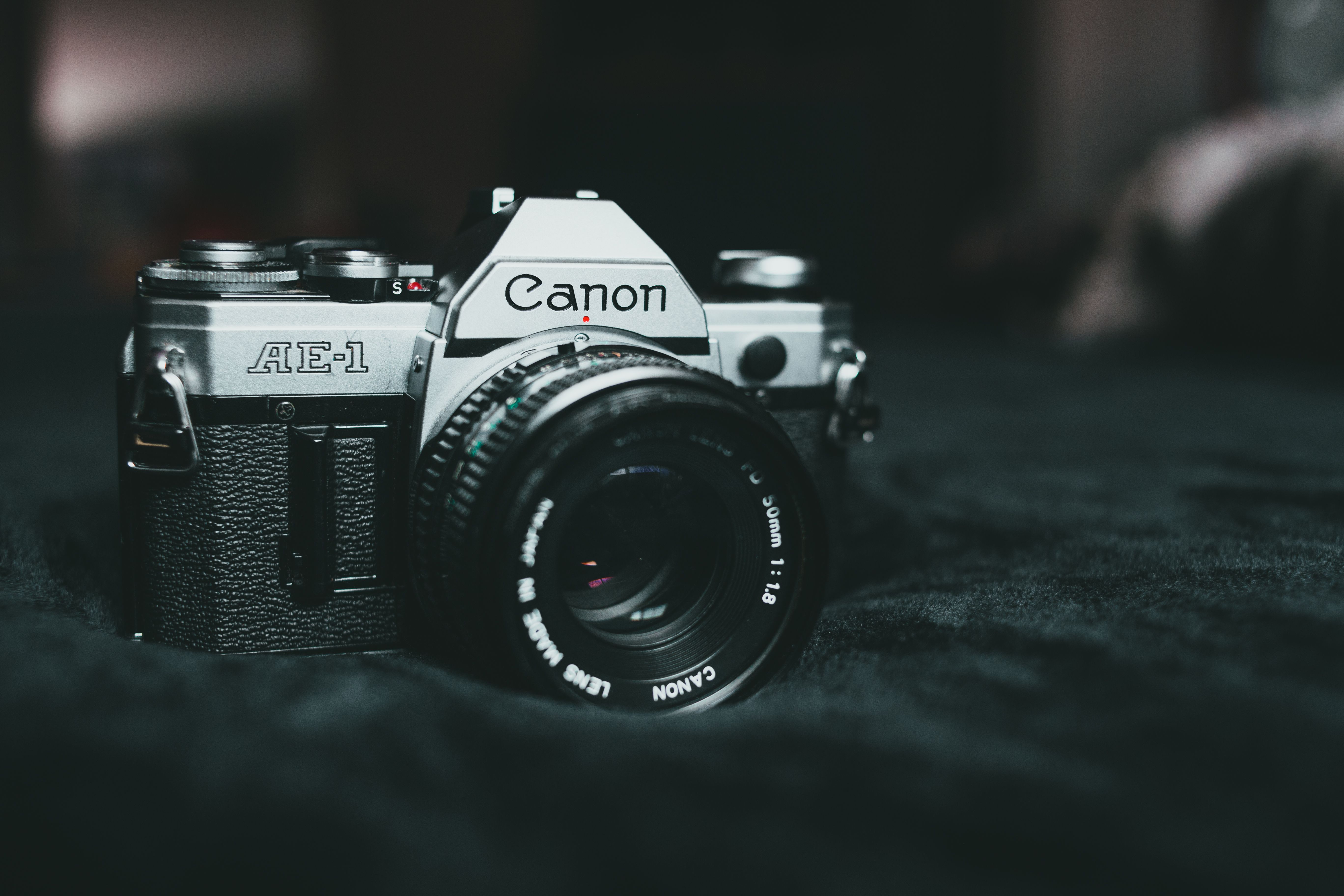
This is the most recognizable body on the list, which is both its appeal and its problem. The reputation is earned: shutter priority, bright viewfinder, FD mount with a solid and affordable lens selection, genuinely accessible handling. The AE-1 Program adds a full program mode and a 1/60 s flash sync.
The premium you're paying in 2026 reflects visibility, not necessarily superiority. Canadian shops selling serviced bodies ask $250 to $350, body-only or with a 50mm f/1.8. The unmoderated secondhand market (Marketplace, Kijiji) is all over the place: some sellers want $400 for an untested "mint condition" body, others let a working one go for $80. The high end guarantees nothing, and the low end warrants caution.
Pentax K1000
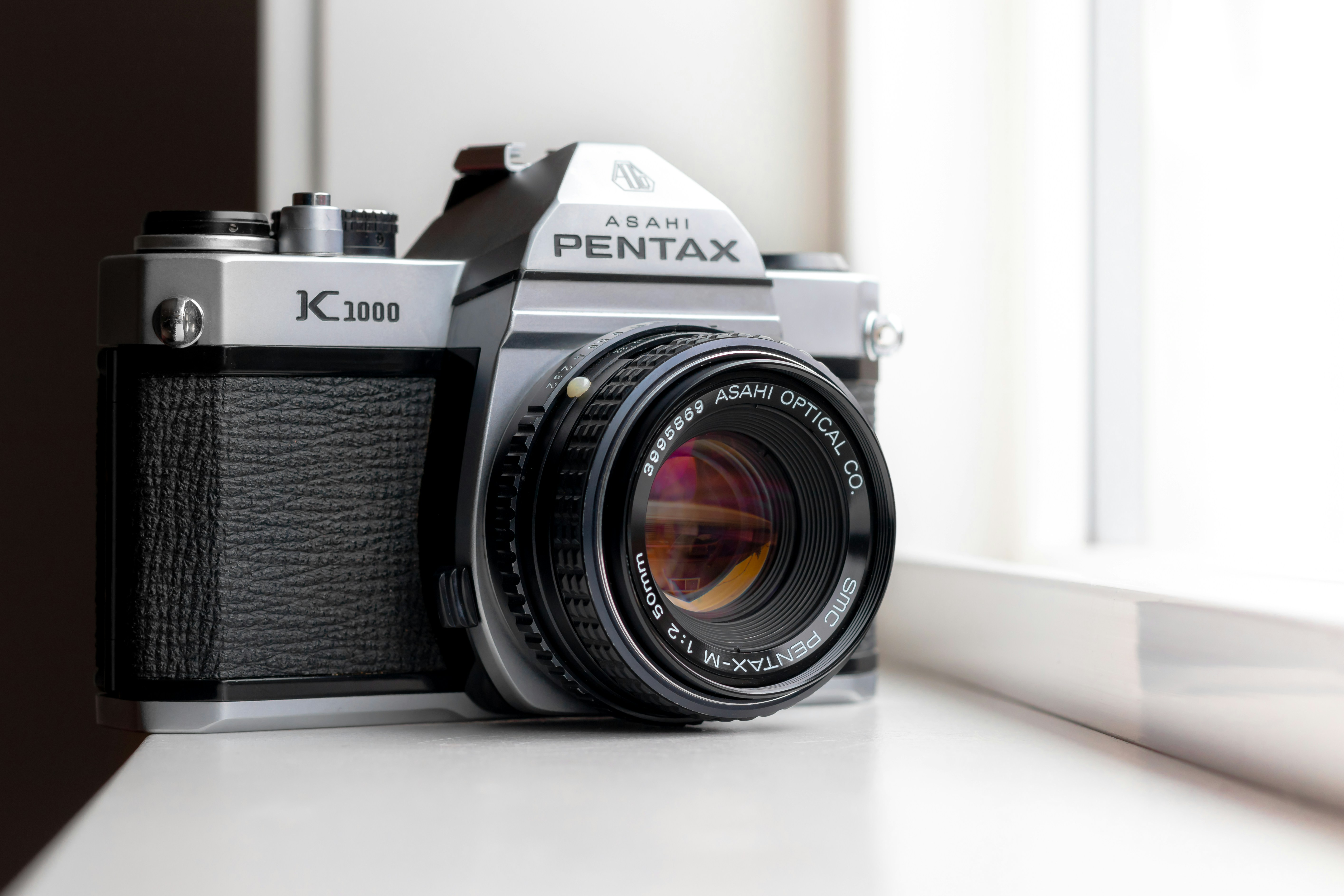
The K1000 gets called "the photography school camera" a lot, and it's fair. Fully mechanical, no automatic modes, built solidly, with a K-mount that opens up decades of Pentax glass. Shutter speeds from 1 second to 1/1000 s, needle meter running on common LR44 cells.
Documented market median is around $100 USD for a decent example. In Canada, expect $80 to $140 depending on condition, sometimes more depending on where you are. For a no-frills mechanical body, that's honest money. There isn't much to break on a K1000, but check the mirror damper foam (the black strip under the mirror that crumbles with age) and the light seals around the back door.
Nikon FM2
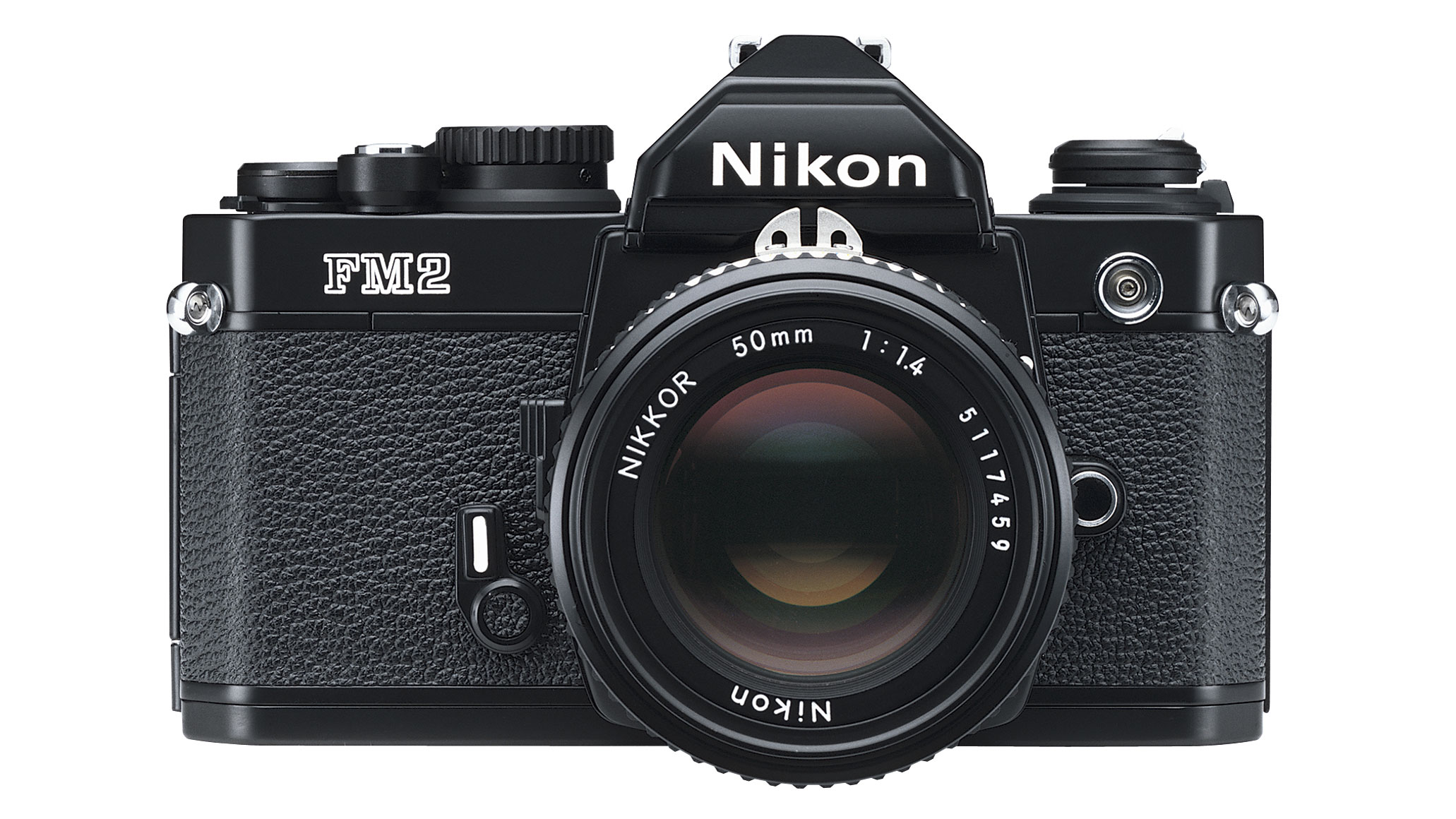
The FM2 is probably the benchmark of this whole guide. Fully mechanical shutter to 1/4000 s, 1/200 s flash sync, metal construction, F-mount compatibility with virtually every Nikon lens made since 1959. It was produced from 1982 to 2001, and Nikon didn't discontinue it willingly.
The downside is that the price has followed the reputation. On KEH or any serious secondhand platform, a good FM2 starts around $200 to $280 USD. Canadian shops selling serviced bodies will often ask $300 to $400. It's not cheap, but it's defensible if you're committed to the craft. The F-mount gives you one of the widest lens ecosystems available, and a well-maintained FM2 will keep going for another thirty years without complaint.
Olympus OM-1
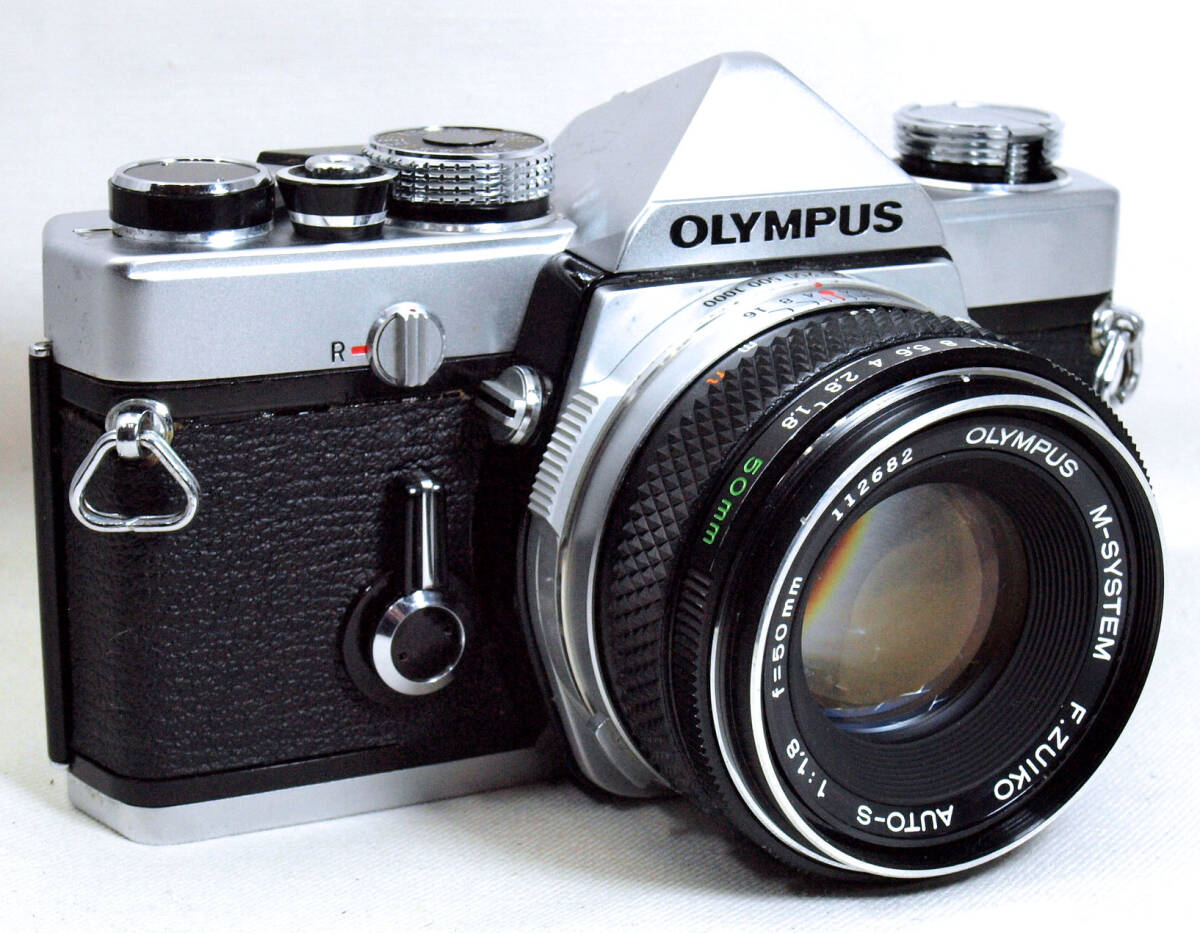
The OM-1 is probably the most underrated camera in this category. Fully mechanical, genuinely compact for an SLR (noticeably smaller than either the FM2 or AE-1), with the Zuiko mount giving you access to excellent lenses that often sell for less than their Nikon or Canon equivalents. It dates to 1972, but well-preserved examples work without issue.
Secondhand prices are generally softer than the FM2: OM-1s come up between $100 and $200 depending on condition, sometimes less. The OM-1n is a mild improvement for flash sync. One thing to know upfront: the original meter was designed for PX625 mercury cells, which haven't been manufactured in years. Workarounds exist (Wein cells, zinc-air adapters), but factor that in if accurate metering matters to you.
The Smart Alternatives: Less Money, Same Results
Minolta X-700 (and X-570)
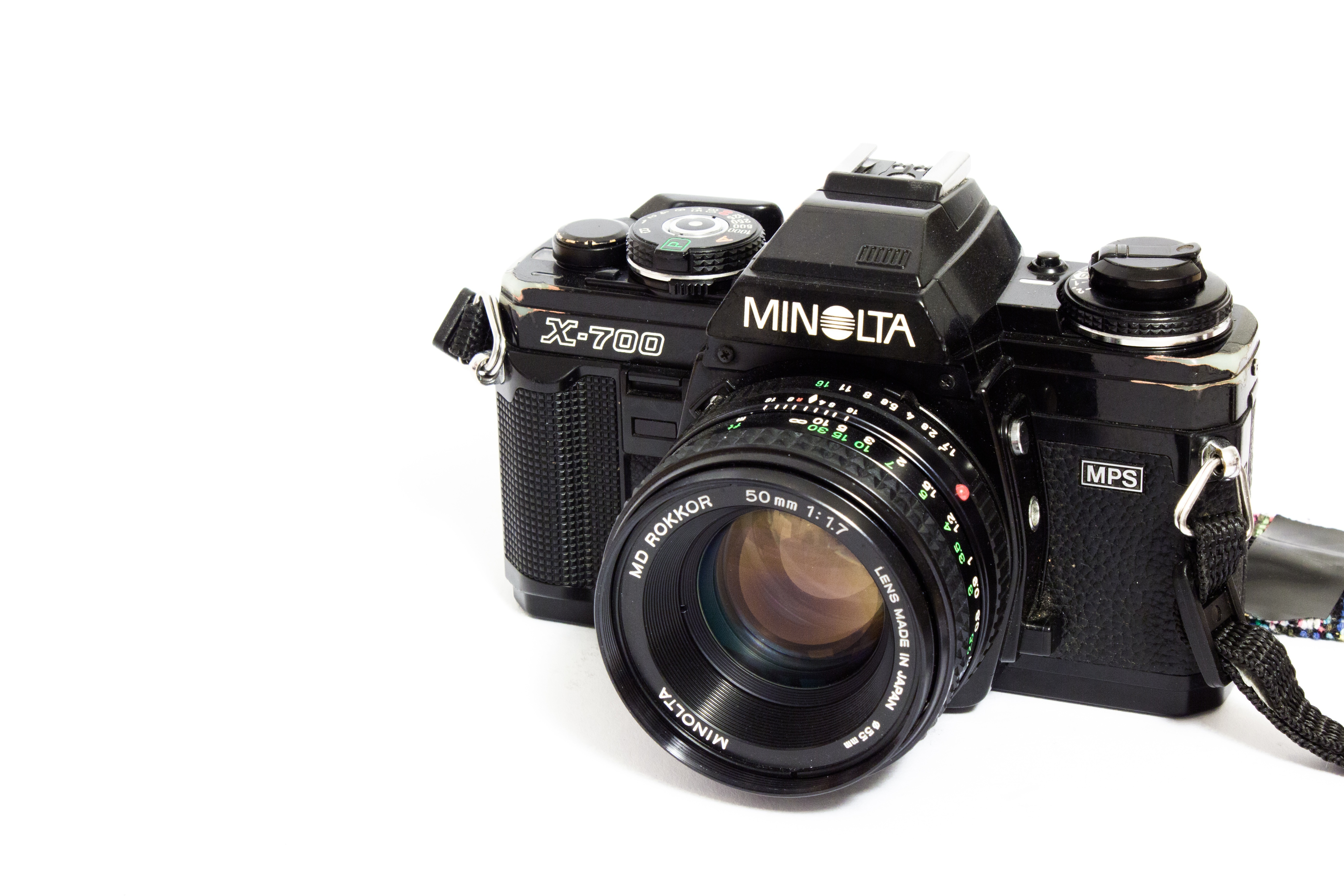
The X-700 is an electronic body with aperture priority, program mode, and a very accurate meter. It won the EISA Camera of the Year award for 1983-84, which doesn't mean much now but does speak to how seriously it was taken at the time. The SR/MC/MD mount has good glass available at reasonable prices.
It sits noticeably lower than the AE-1 on the secondhand market for purely marketing reasons. Good X-700 examples turn up between $80 and $150, sometimes with a 50mm f/1.7 included. The X-570 is essentially the same camera without the full program mode, and usually cheaper still. The same caveat applies as with any electronic body from this era: if the control board dies, repairs will likely cost more than the camera is worth.
Yashica FX-3 Super 2000
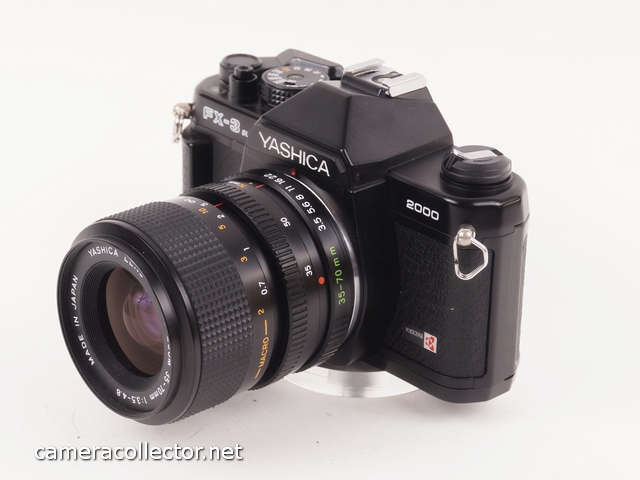
The FX-3 has a low profile, and that's exactly why the price stays reasonable. It uses the C/Y (Contax/Yashica) mount, the same mount as the Zeiss Contax bodies, which means you can run Carl Zeiss glass on it if your budget stretches that far, or stick with Yashica lenses that are often very good for what they cost. The shutter is electronically controlled with a mechanical backup at 1/500 s if you lose the battery.
On eBay and local markets, FX-3s trade between $60 and $120 depending on condition. If you want to explore the C/Y mount without investing in a Contax RTS, this is a very credible entry point.
Pentax ME Super
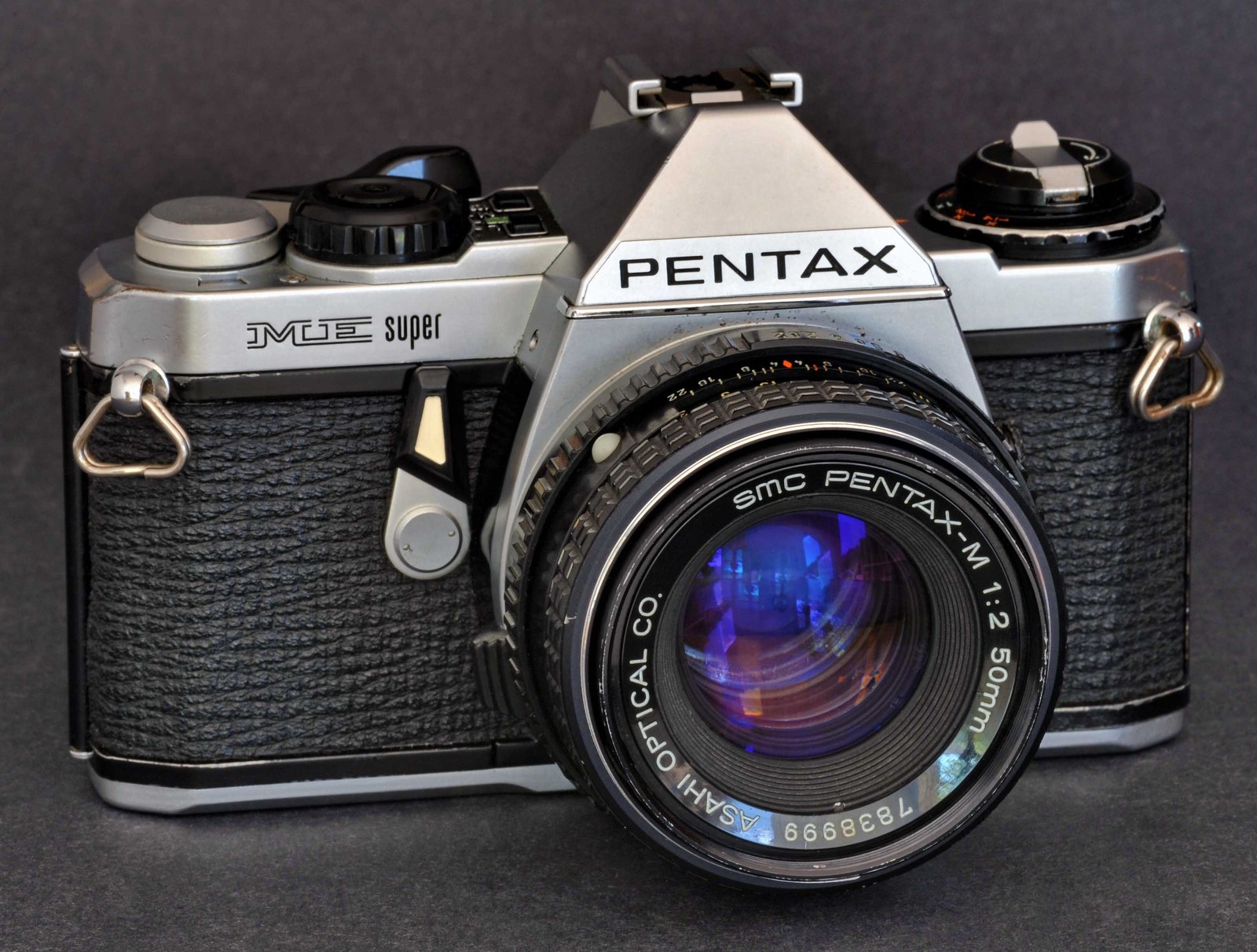
The ME Super tends to get overlooked, which is strange because it's the most logical step up if you like the idea of the K1000 but want some automation. Aperture priority, shutter speed controlled by push buttons (disorienting at first, genuinely fast once you're used to it), full K-mount compatibility. More compact than the K1000, slightly more complex electronically, but overall a very reliable camera.
Secondhand prices tend to land between $80 and $150 in good condition, well below what an AE-1 commands for results that are often equivalent in practice.
What to Check Before You Buy
Whatever body you're looking at, go through this every time.
Light seals. Check around the back door, the hinge channel, and the film gate. Degraded foam looks like sticky black dust. Bad seals mean light leaks on your negatives. Replacement runs $20 to $60 at a repair shop, or you can do it yourself with a kit for under $10. It's not a dealbreaker, but it belongs in your price negotiation.
The shutter curtain. Open the back, face a uniform light source, and watch the curtain move as you fire at different speeds. Look for pinholes, wrinkling, or uneven travel. A damaged curtain puts streaks on your film, and repair can be expensive.
Mirror and prism. Look through the viewfinder and check for dark spots or fungus (small spots of mold on the prism or glass elements). A prism affected by balsam separation shows up as subtle discolored zones in the viewfinder image and can be tricky to address.
Basic electronics. Drop in a battery and confirm the meter responds to light. Fire the shutter at several speeds and listen for an audible change between 1/30 s and 1/500 s. On an electronic body this doesn't replace a test roll, but it rules out obvious failures.
Mount and mirror damper. Check that the mount's bayonet tabs aren't worn down, and that the mirror damper foam hasn't turned to grit. That foam stops the mirror from bouncing, and when it breaks down it can leave residue on the mirror itself or produce an odd sharp thud when you fire the shutter.
Going Further
If you're sold on the Nikon F-mount but the FM2 is out of reach, the Nikon FM10 (a later, budget-oriented body partially manufactured by Cosina) and the Nikon FE2 (electronic, but with a mechanical backup shutter at 1/250 s) are both worth a look. The FE2 often sells between $150 and $250 and is a seriously well-built camera.
For the Olympus OM mount, the OM-2n adds aperture priority with genuine TTL auto exposure, often at a price comparable to the OM-1 on the secondhand market.
And if you want to try before you commit, some shops like Beau Photo in Vancouver or Argentique Montréal offer rentals or short-guarantee sales. That's worth exploring before you take a chance on an unknown body from Kijiji.
Sources
- brooklynfilmcamera.com — Canon AE-1 vs Pentax K1000
- marketplaceiq.app — Film camera price checker
- dutchthrift.com — Top 10 vintage film cameras for beginners
- fstoppers.com — 10 incredible 35mm film cameras worth buying
- fieldmag.com — Best 35mm film cameras
- expertphotography.com — Canon AE-1 review
- keh.com — 6 vintage film cameras under $1000
- slashgear.com — Classic film cameras worth buying today
- keh.com — Nikon FM2 listing
- digitalcameraworld.com — Nikon FM2 review
- collectiblend.com — Pentax K1000
Commentaires
Aucun commentaire pour le moment.